

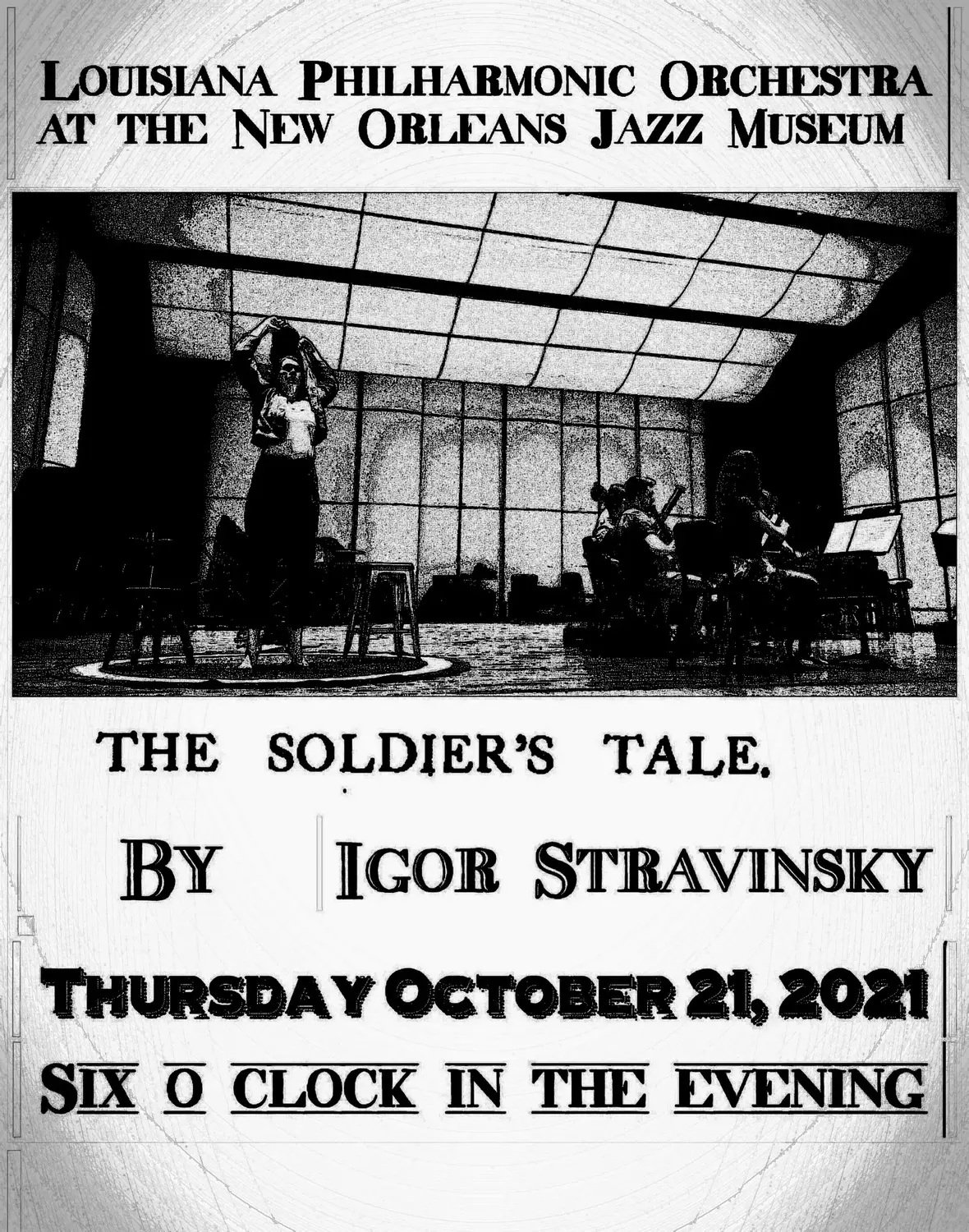
Igor Stravinsky / Louisiana Philharmonic Orchestra
A Soldier’s Tale2021
Performance
Grace Kennedy
Violin
Aubree Oliverson
Stage direction
Christopher Givens
Conductor
Carlos Miguel Prieto
Presented by
Louisiana Philharmonic Orchestra
Location
New Orleans Jazz Museum at the Old U.S. Mint
A Soldier’s Tale (L’Histoire du soldat) was created in 1918 by Igor Stravinsky and the Swiss writer C. F. Ramuz, during the upheaval of the First World War and on the threshold of the influenza pandemic. Conceived as a portable work “to be read, played, and danced,” it combines spoken theatre, movement, and a compact seven-player ensemble. Its lean scale was practical, but it also became the source of the piece’s strange power: a whole moral and psychic world summoned from a few bodies, voices, objects, and instruments.
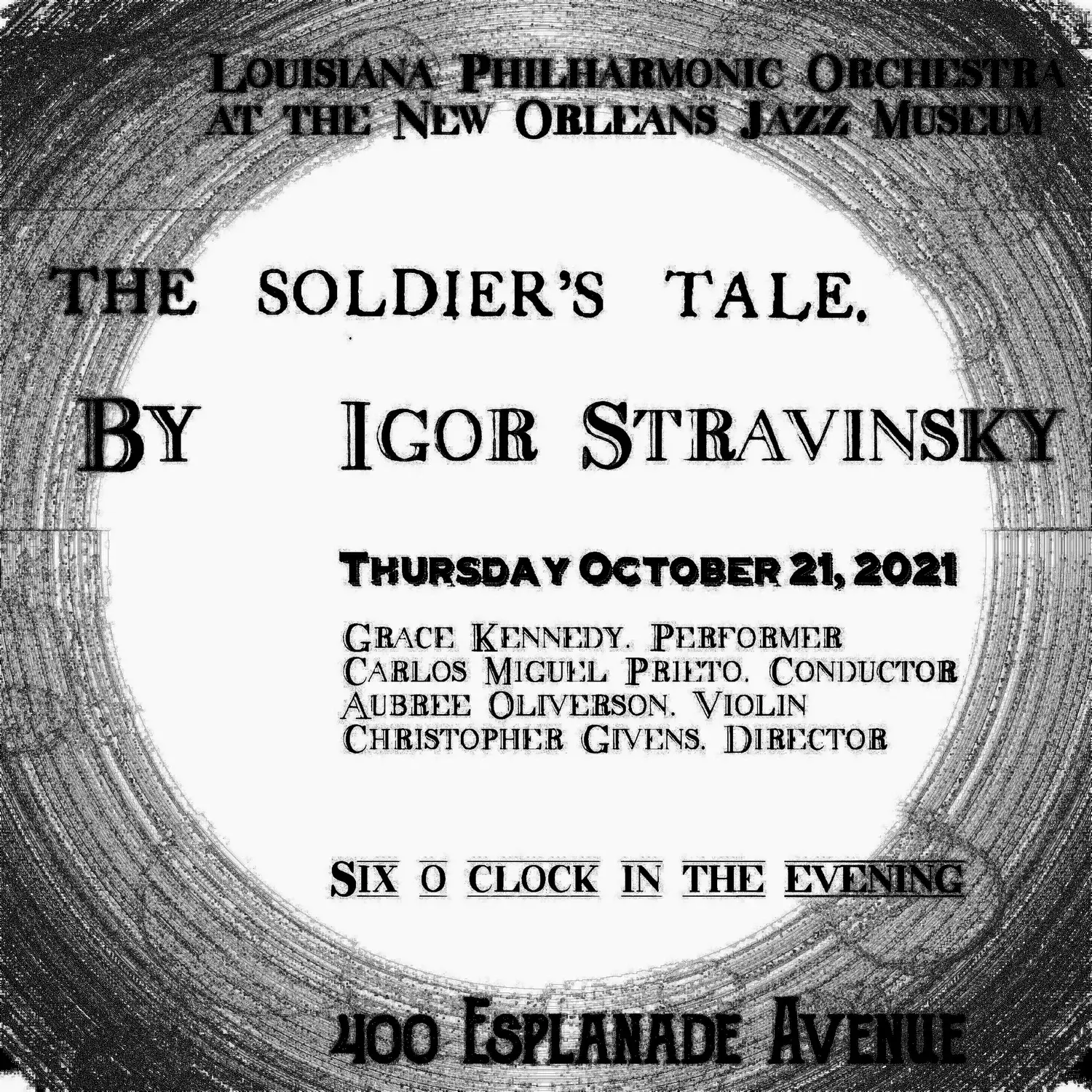
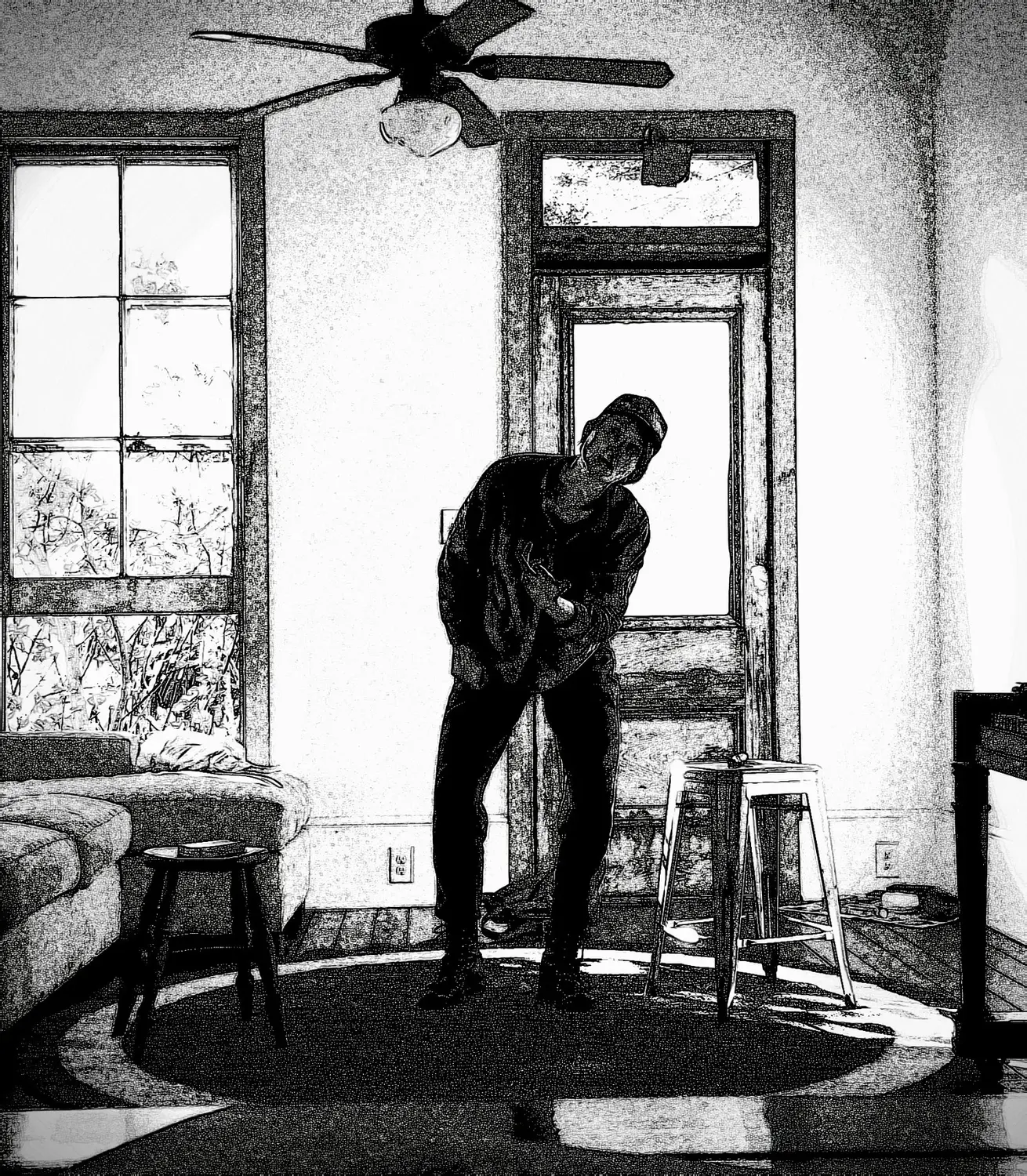
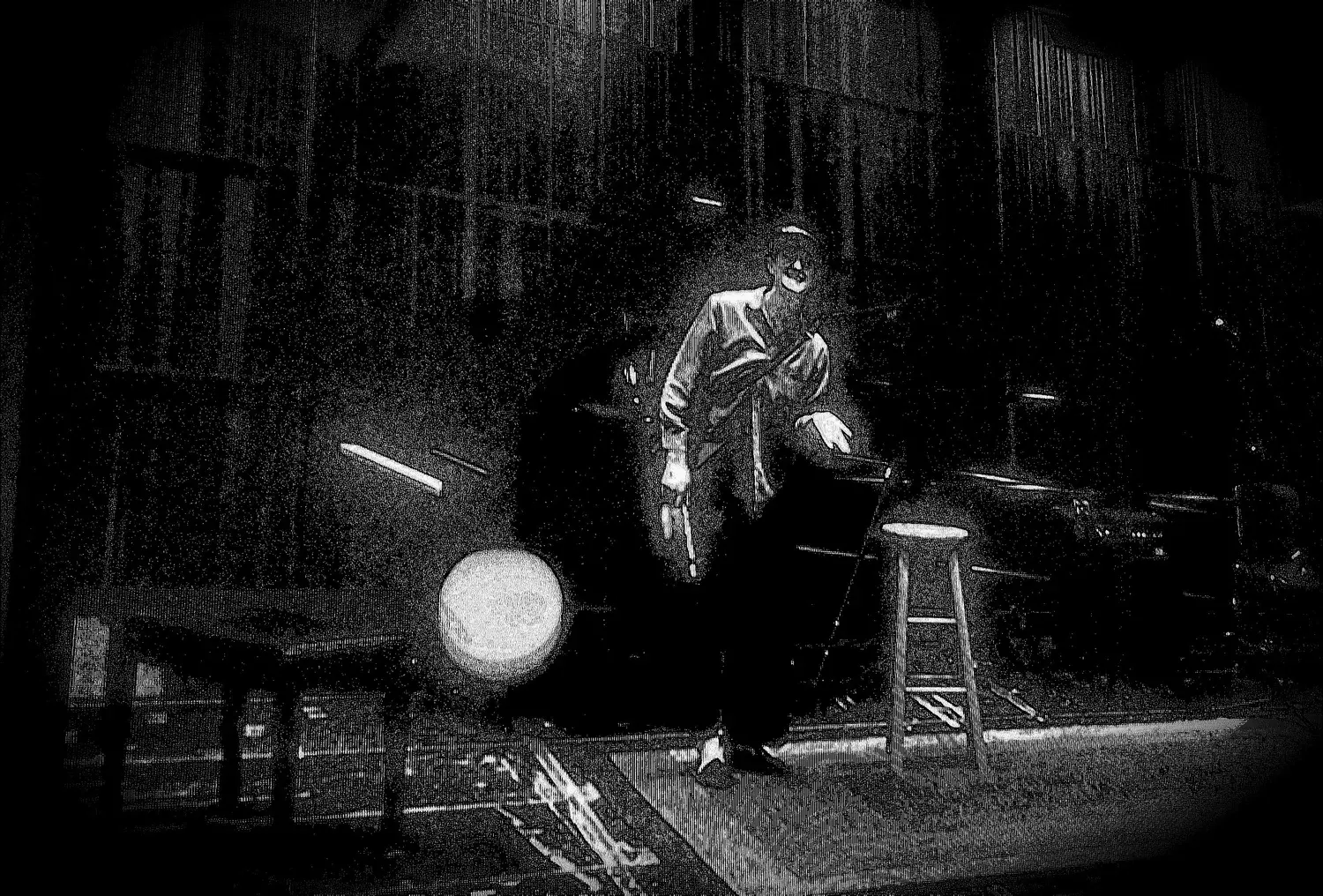
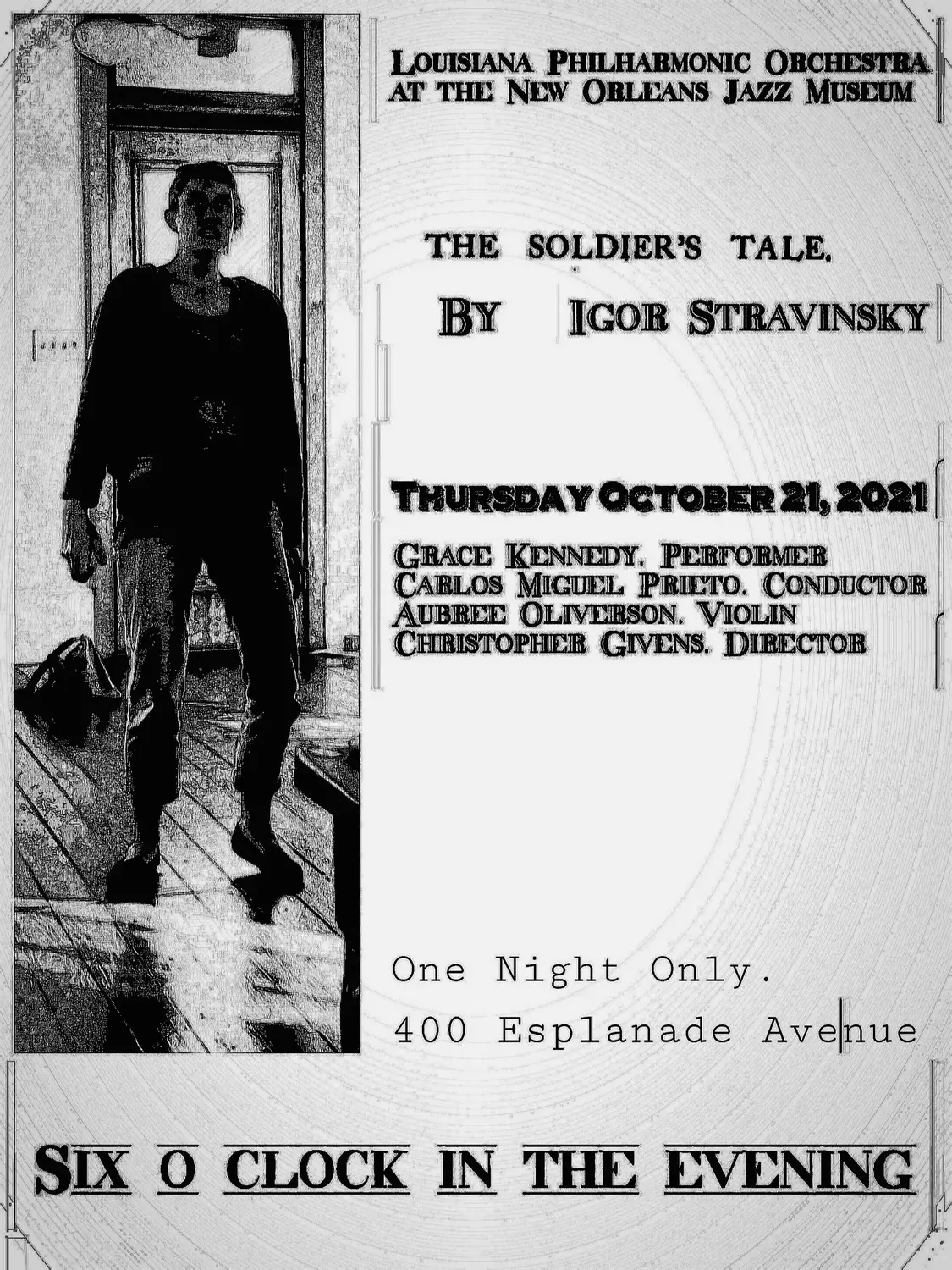
Drawn from Russian folk tales and shadowed by the Faust legend, the story follows a soldier who trades his violin to the Devil for a book that promises wealth and knowledge of the future. The bargain breaks his relation to ordinary time. He returns home to discover that years have passed, and every apparent victory carries him closer to dispossession. The violin becomes more than an instrument: it is memory, vocation, embodied knowledge, and finally the portion of the self that cannot be exchanged without consequence.
That unstable crossing of forms (music becoming theatre, narration becoming action, an object becoming a soul) connects the piece to the larger body of work gathered on this site. So do its recurrent questions: what is surrendered in the desire to master the future; how a person becomes estranged from their own life; how myth reorganizes contemporary experience; and how limited means can open an unexpectedly expansive world. Its soldier moves through bargains, doubles, interrupted time, and altered realities (the same kinds of thresholds that recur across the films, performances, installations, and collective spaces elsewhere in this archive).